Computer vision
Image preprocessing, classification and inspection. The work can include PyTorch inference and an interface for comparing references, scores and decisions.
IMAGES · SIGNALS · EVALUATION
I work on data preparation, model comparison and tools for reviewing results. We start with the problem and the errors that matter, then build something that can be evaluated and integrated.
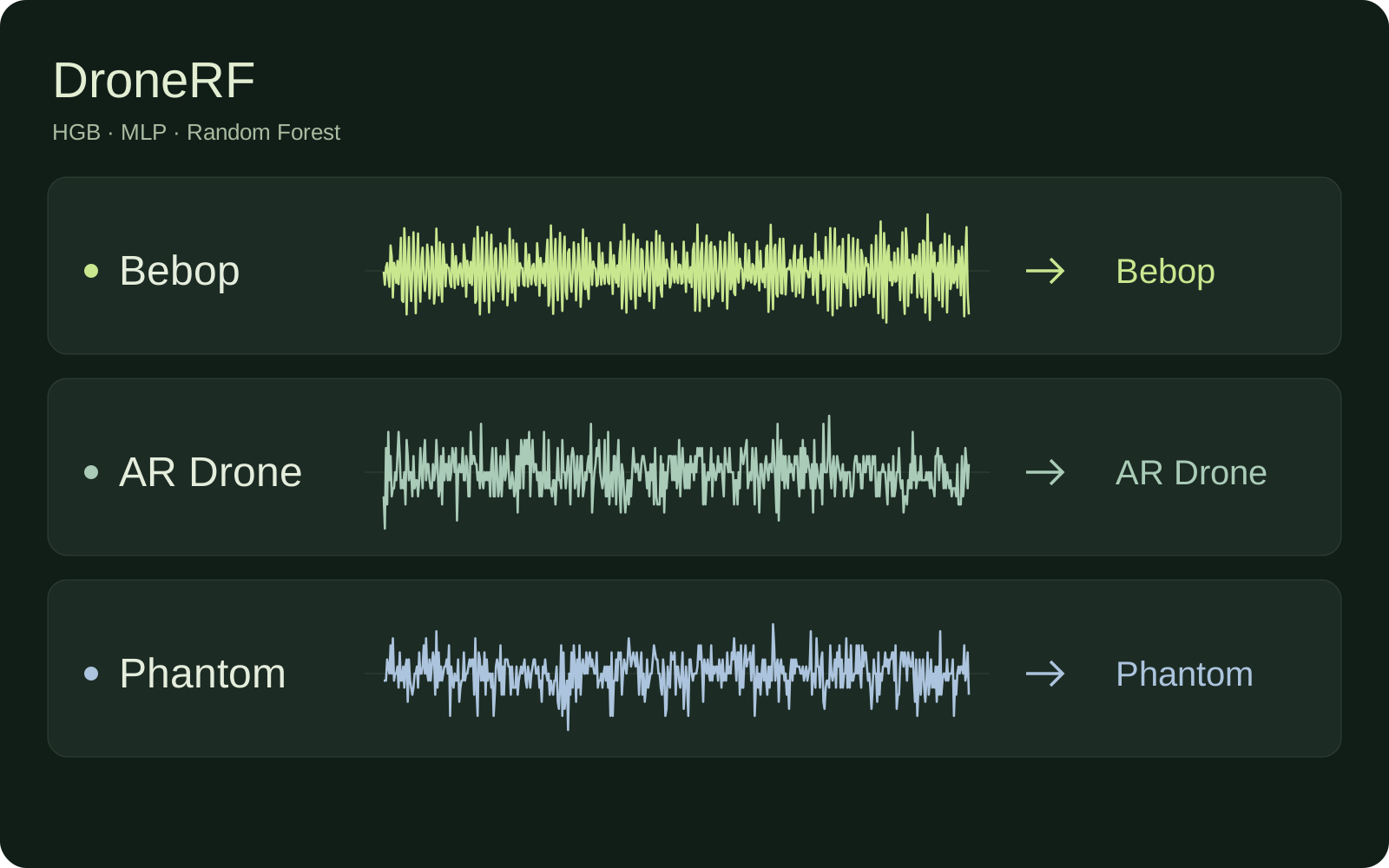
Image preprocessing, classification and inspection. The work can include PyTorch inference and an interface for comparing references, scores and decisions.
Window preparation, feature extraction and classifier comparison. My radio-frequency work connects signal data with file-level evaluation.
Reproducing results, checking data splits and analysing errors or thresholds. An initial baseline makes it possible to compare the contribution of each change.
The DroneRF case connects public signal fragments with features, reference labels and archived predictions. You can explore four classes and inspect the method and scope of the evaluation.
The solar-module viewer presents archived ThermalNet/PyTorch results: scores, a threshold and reference comparisons. It includes examples for inspecting correct decisions and errors.
We define the decision the system should support and review the available data: its source, format, labels and conditions of use.
We agree on data splits, evaluation, metrics and the errors that matter. I compare alternatives against a baseline before expanding the work.
I present results you can inspect, together with the limitations found. The scope can include an API, an inference workflow or an interface for using and reviewing the model.
Not necessarily. We can start by reviewing what exists, its format and what is missing. That review helps determine whether the next step is data preparation, annotation, model evaluation or a prototype.
Yes. The work can focus on reproducing the workflow, inspecting preprocessing, comparing results and understanding errors or thresholds. We agree on the evidence needed to evaluate the improvement.
That depends on the use case, the data and the cost of mistakes. We define a suitable evaluation before development: a successful example does not establish performance in a different context.
We can include an API, an inference service or an interface in the scope. Integration requires reviewing inputs, outputs, latency and resources as well as model metrics.
Yes. I work remotely in English or Spanish, with agreed reviews. A description of the intended use and the type of data available is enough for the initial conversation.
We can start with a prototype, an existing model evaluation or an integration. I will reply directly by email.